
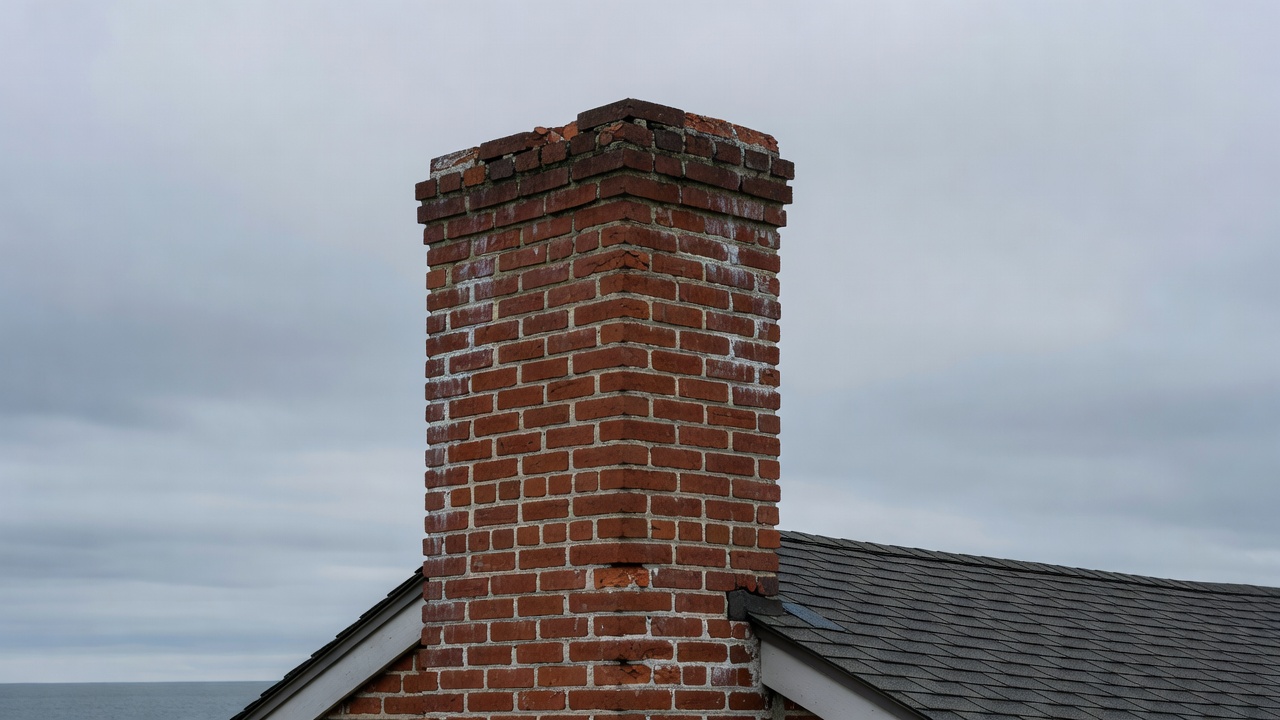
Smart Chimney Waterproofing Freeport NY: 2026 Guide for Garden City Residents
Water is already inside your chimney system working against you and most homeowners in Freeport, Baldwin, and across Nassau County don’t realize the damage has started until a repair bill lands in front of them. Chimney waterproofing Freeport NY is one of those services that looks optional until the spalling brick, rusted damper, or cracked flue liner tells a different story. The questions we get most often from homeowners aren’t about whether to waterproof it’s about what they can handle themselves and what actually needs a licensed professional. We want to answer that honestly.
Last fall, a homeowner in Freeport called us after noticing white chalky streaks running down the front of her chimney and staining the mortar joints below the cap. She had already bought a tube of masonry caulk from the hardware store and planned to seal it herself over the weekend. We’re glad she called first. What she was seeing was efflorescence mineral salt deposits left behind by water that had already penetrated deep into the brick. Caulk on the surface wouldn’t have touched the source, and sealing over saturated masonry can actually trap moisture and accelerate freeze-thaw cracking through the winter.
That’s the pattern we see repeatedly from Freeport to Rockville Centre to Merrick. Good intentions, wrong product, bigger problem by spring.
Why Coastal Long Island Chimneys Need Waterproofing More Than Most
Long Island’s coastal climate is genuinely harder on masonry than anything you’d find further inland. Salt air coming off the South Shore accelerates mortar joint deterioration, and Nassau County’s freeze-thaw cycles sometimes several within a single week in January or February force water in and out of porous brick repeatedly. According to CSIA regional guidance, this combination of coastal humidity and freeze-thaw cycling makes annual inspections especially critical for Nassau and Suffolk County homeowners, and it’s exactly why a chimney that looks fine in September can show significant spalling damage by March.
Freeport sits close enough to the water that salt-laden air is a real factor. We see it in the texture of the brick and in mortar joints that crumble faster than they should. If your chimney is more than fifteen years old and has never been waterproofed, it has almost certainly absorbed water through every winter it’s been standing.
What a Capable Homeowner Can Safely Handle
We’re not going to tell you everything needs a professional. That’s not honest, and it doesn’t serve you.
There are things a reasonably handy homeowner can do without risk. Cleaning light surface debris off the chimney cap leaves, twigs, bird droppings is safe and straightforward from a stable ladder with a helper present. Visually inspecting the flashing from the ground with binoculars is worth doing once a season; you’re looking for lifted edges, rust staining, or gaps where the metal meets the masonry. Keeping gutters clear so water doesn’t pool and run toward the chimney base is genuinely effective preventive maintenance. And if you have a chimney cap that’s come slightly loose, a professional-grade masonry adhesive applied according to the manufacturer’s spec is something a handy homeowner in Garden City Park or New Hyde Park can manage provided they’ve confirmed the cap itself isn’t cracked or improperly sized.
Applying a vapor-permeable masonry water repellent is also something some homeowners attempt on accessible, single-story sections of chimney from a ladder. If the masonry is in sound condition, the product is specifically rated for chimneys (not a generic driveway sealer), and you’re comfortable working at height safely, it’s not inherently dangerous. But there’s a significant condition on that: the masonry has to actually be sound. Applying water repellent over spalled brick, open mortar joints, or any crack wider than a hairline will lock problems inside the wall.
Where You Stop and a Pro Starts and the Real Reasons Why
The honest reasons to call a professional for chimney waterproofing Freeport NY aren’t about protecting our business they’re about tools, liability, and things that genuinely go wrong when they’re skipped.
First, proper chimney waterproofing requires an assessment of the flue interior, the crown, the flashing, and the mortar joints before any sealant goes on. The National Fire Protection Association’s Standard 211 requires that chimneys be inspected at least annually for soundness and freedom from deposits and a homeowner applying product without that prior inspection is essentially finishing a wall before checking what’s behind the drywall. We use cameras to inspect the flue liner on every waterproofing job. A homeowner can’t do that from the roof.
Second, chimney crown repair and flashing resealing require materials and techniques specific to the chimney environment. Crowns take a flexible, crack-resistant elastomeric coating not standard concrete patch. Flashing requires either step flashing integrated with the roofing or a proper counter-flashing system set into reglet cuts in the masonry. Done wrong, water finds its way into the framing inside your walls, and you won’t know it until you have rot or mold and a contractor quoting you several thousand dollars in structural repair.
Third, any work that alters the chimney structure tuckpointing, crown rebuilding, or relining affects code compliance. The average chimney sweep service in the northeastern United States runs $150 to $350, while chimney relining projects range from $2,500 to $7,000 or more depending on flue length and liner material. Those numbers reflect licensed work that carries warranty protection. DIY mortar repairs done without matching the original mortar composition a very common mistake in older homes in Mineola, Lynbrook, and Uniondale create soft spots that fail within two or three winters and can leave you in a worse position than where you started.
Fourth: height. A significant portion of chimney waterproofing work happens on the chimney crown, which sits above the roofline. Roof falls are a leading cause of serious injury for homeowners attempting exterior maintenance. It is not worth it.
The Concrete Risks of Getting It Wrong
According to the U.S. Fire Administration, heating fires account for approximately 25% of all residential fires, and failure to clean and maintain chimneys is the leading contributing factor. Water damage to a chimney doesn’t just cost money it can compromise the structural integrity of the flue, allow combustion gases to escape into the living space, and create conditions where a chimney fire becomes more likely. A cracked liner that results from water infiltration and freeze-thaw damage is not a cosmetic issue; it’s a safety issue.
In Freeport specifically, we’ve seen homes where water infiltration through the chimney went unaddressed long enough to cause damage to the framing inside the attic wall. That’s not a chimney repair anymore that’s a contractor conversation. Early, proper waterproofing is almost always less expensive than what comes after ignoring it.
Schedule an Assessment Before You Do Anything Yourself
If you’re not sure whether your chimney in Freeport, Baldwin, Rockville Centre, or anywhere across Nassau County needs waterproofing, start with our chimney inspection service before buying any product or getting on a ladder. A level-one inspection tells us what the masonry, crown, flashing, and flue look like right now. From there, we can tell you honestly what needs professional attention and what, if anything, you could reasonably maintain yourself going forward. We also offer chimney cap installation, tuckpointing, and full chimney repair options if we find damage that needs to be addressed first.
Reach out to Garden City Chimney Service to schedule an inspection or get a free estimate on chimney waterproofing Freeport NY and surrounding communities. We work throughout Nassau County and know these chimneys the salt air, the age of the housing stock, the specific challenges that come with South Shore coastal exposure. Call us or use the contact form on our website to get started.
Frequently Asked Questions
Can I use regular masonry sealer from a hardware store on my chimney?
Most off-the-shelf masonry sealers are not appropriate for chimneys. A chimney needs a vapor-permeable water repellent one that lets moisture from inside the flue escape outward while blocking rain from penetrating the exterior brick. Standard concrete or driveway sealers create a vapor barrier that can trap moisture inside the masonry and accelerate damage through freeze-thaw cycling. Products specifically labeled for chimneys, such as those meeting CSIA recommendations, are formulated differently. If you’re unsure what’s on the shelf, call us before you buy.
How much does professional chimney waterproofing cost in Freeport, NY?
For a standard single-flue chimney in sound condition, professional waterproofing in the Freeport and Nassau County area typically runs between $250 and $600 depending on chimney height, accessibility, and whether the crown and flashing need any prep work beforehand. If mortar joint repairs or crown patching are needed first, those are additional costs tuckpointing on a two-story chimney can range from $400 to over $1,000 depending on the extent of the damage. An inspection first lets us give you accurate numbers specific to your chimney before any work begins.
How often does a chimney in Freeport need to be waterproofed?
Most quality vapor-permeable water repellents applied professionally carry a manufacturer-rated protection window of five to ten years. On Long Island’s South Shore, where salt air and freeze-thaw cycles are more aggressive than inland areas, we generally recommend reassessment every five to seven years or sooner if you notice efflorescence, spalling brick, or staining around the chimney base. Annual visual checks between professional services help catch early warning signs before they become expensive repairs.
Related from Garden City Chimney Service: About Contact Home – Everything You Need to Know About Garden City Chi · Smart Chimney Cleaning Garden City NY · Finding Reliable Customer Satisfaction Chimney Services