
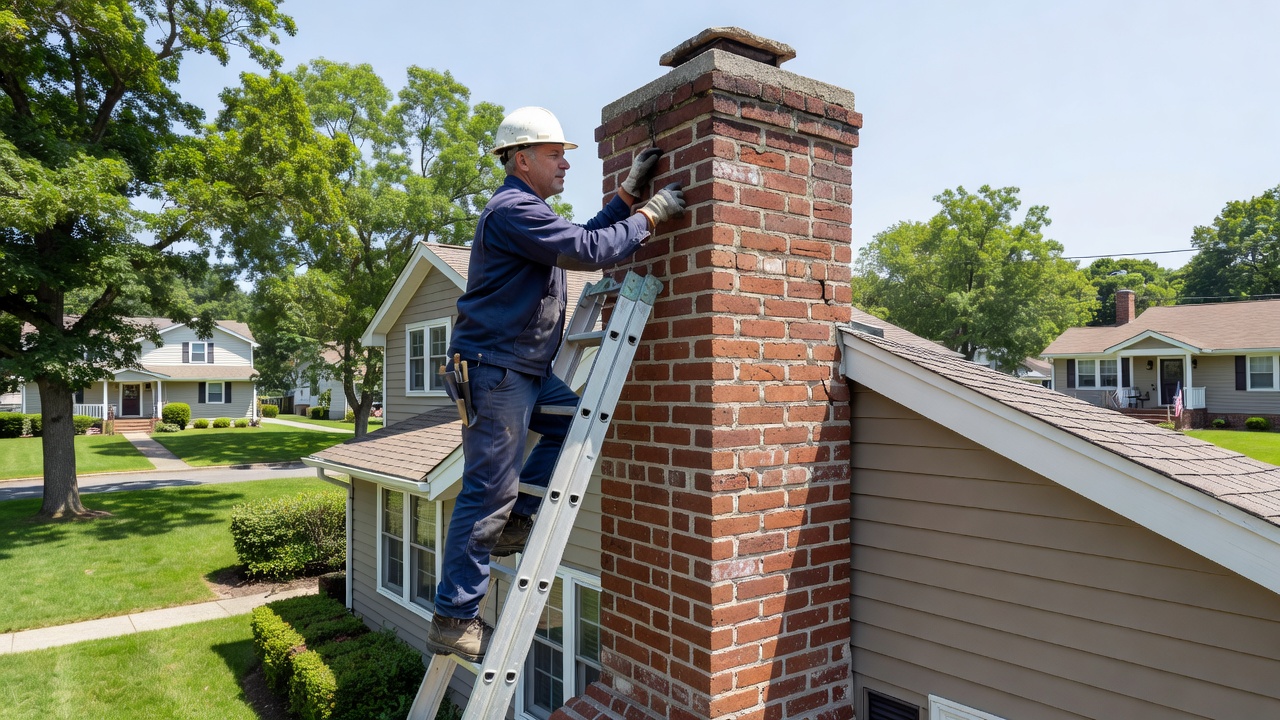
Chimney Maintenance Tips Long Island Homeowners Get Wrong About Timing
A homeowner in Rockville Centre called us in early November last year, a little frustrated. She’d been trying to book a chimney cleaning since October, but every company she contacted had a four to six week wait. She hadn’t used her fireplace yet that season, assumed she had plenty of time, and now she was looking at December before anyone could get to her. Her husband wanted to light the first fire of the year for Thanksgiving. That wasn’t going to happen.
We hear versions of that story constantly, from Massapequa to Great Neck, Baldwin to New Hyde Park. And almost every time, the delay traces back to a misunderstanding about chimney maintenance, not laziness or neglect. Homeowners genuinely believe things about chimney care timing and necessity that aren’t accurate, and those beliefs cost them convenience, money, and sometimes safety. These are the ones we run into most often.
Waiting until fall seems logical, but it isn’t
The most common assumption we hear is that scheduling chimney service in September or October makes perfect sense because that’s when you’re about to use the fireplace. It feels efficient. In practice, it’s the worst window to call. Every chimney company on Long Island, including ours, fills up fast once the air turns cool. Homeowners from Merrick to Hicksville all have the same thought at the same time, and there aren’t enough certified technicians to absorb that volume in six weeks.
The better move is late spring or summer. May through August is when we have the most flexibility, can usually schedule within a week or two, and can give each job proper attention. You get the same clean chimney before heating season, but without the scramble. Some homeowners in Floral Park and Westbury who’ve been customers for a few years now book their annual inspection in June the same way they schedule an HVAC tune-up. It’s just a calendar habit that saves them a headache every fall.
One cord of wood doesn’t mean the chimney doesn’t need cleaning
A lot of people believe that light use means no maintenance is required. We’ve heard this in Lynbrook, in Valley Stream, in Garden City Park: “We only burn a few times a month, so it can’t be that dirty.” Creosote doesn’t accumulate in proportion to how often you feel like lighting a fire. It builds based on what you burn, how hot your fires are, and how well your flue drafts. According to CSIA consumer guides, even a thin layer of third degree creosote can ignite at temperatures as low as 451°F. That’s not a lot of buildup to become a serious hazard.
The CSIA recommends that chimneys, fireplaces, and vents be inspected at least once a year and cleaned as needed, regardless of use frequency. That annual inspection exists precisely because problems aren’t always visible from the firebox. A technician might find a cracked flue tile, a deteriorated damper, or animal debris in a chimney that was only used five or six times. Light use also produces more creosote per fire in some cases, because low temperature, smoldering fires are worse for flue deposits than hot, well-fed ones.
Skipping a year doesn’t feel risky, but the math adds up
When homeowners skip an inspection because “nothing seems wrong,” they’re often thinking about this year. The problem is that masonry damage compounds. Long Island’s coastal climate, with its freeze thaw cycles, salt air off the South Shore, and high humidity, accelerates mortar joint deterioration faster than you’d see inland. The CSIA has specifically noted that Nassau and Suffolk County homeowners face accelerated chimney masonry damage compared to inland regions for this reason.
A small crack in a mortar joint that costs a few hundred dollars to tuck point in spring can open into a significant spalling problem by the following fall if water gets in and freezes through the winter. We’ve done repairs in Bellmore and Uniondale where a homeowner’s “it’s been two years, not ten” gap turned into a liner replacement because water damaged the flue tile from the inside. Our chimney inspection service exists to catch those small problems before they dictate the scope of the repair.
New homeowners often assume the previous owners handled it
This one comes up constantly, especially in older neighborhoods like Hempstead and Mineola where homes change hands frequently. A buyer closes in the spring, moves in, and figures the sellers must have maintained the fireplace. Maybe they did. Often they didn’t, or the inspection report from the home purchase only flagged structural issues and didn’t assess the flue condition in detail.
A standard home inspection is not a chimney inspection. Home inspectors are not chimney specialists, and most reports note “recommend further evaluation by a chimney professional” rather than providing any real assessment of flue condition, creosote level, or liner integrity. If you bought a home in the past year or two and haven’t had a dedicated chimney inspection, you don’t actually know what you have. That matters before you light anything.
The cost of waiting is real, not just inconvenient
Beyond the scheduling crunch, there’s a direct financial cost to delaying chimney maintenance. According to data from HomeAdvisor and Angi covering 2024 and 2025, a standard chimney sweep in the northeastern United States runs $150 to $350. A chimney relining project runs $2,500 to $7,000 or more depending on flue length and liner material. The gap between those numbers is largely explained by whether a homeowner caught the problem early or let it go.
Emergency service calls in October and November, when demand peaks, also tend to cost more and take longer. A homeowner in Freeport who calls us in July for a routine cleaning and a minor cap repair is in a completely different position than the same homeowner calling in November with a cracked liner, a damaged crown, and Thanksgiving two weeks away. The underlying condition might not differ much, but the options and the cost certainly do. Our chimney repair options cover everything from minor mortar work to full relining, and timing affects every part of that conversation.
The chimney cap issue homeowners keep ignoring
A missing or damaged chimney cap is one of the most straightforward things to fix, and one of the most commonly put off. Caps keep rain, debris, and animals out of the flue. On Long Island, where nor’easters can push water sideways and squirrels are relentless, a cap isn’t optional. We’ve pulled nesting material from chimneys in Freeport and Baldwin that had been capped at some point, but the cap had rusted through or blown off in a storm and nobody noticed.
The misconception here is that a missing cap is a minor cosmetic issue. It isn’t. Water intrusion from an uncapped flue is one of the leading causes of liner damage and interior masonry deterioration. If your cap is gone or visibly damaged, that’s not something to add to a mental list for “someday.” Our cap installation service is a straightforward fix that protects everything below it.
Schedule now, not when the weather turns
If you own a home in Nassau or Suffolk County and your chimney hasn’t been inspected this year, the right time to book is before you feel the urgency. Summer appointments are easier to get, easier to schedule around, and give us time to address any repairs before October. Call Garden City Chimney Service for a free estimate or to get on the schedule. We serve communities across Long Island, from Garden City and Mineola to Massapequa, Rockville Centre, and beyond, and we’d rather meet you in July than rush you in November.
Frequently Asked Questions About Chimney Maintenance on Long Island
What is the best time of year to schedule chimney maintenance on Long Island?
Late spring through summer, roughly May through August, is the best window. Demand is low, scheduling is faster, and any repairs found during the inspection can be completed well before heating season. Waiting until September or October means competing with most of Long Island’s homeowners for a limited number of appointment slots.
How often should a chimney be inspected if we only use the fireplace occasionally?
The CSIA recommends at least once a year regardless of use frequency. Occasional use doesn’t prevent creosote buildup, and it doesn’t protect against structural issues like cracked flue tiles or water damage, which develop from weather exposure rather than fire use. An annual inspection catches those problems while they’re still small.
Does a home inspection cover chimney condition when buying a house?
No. A standard home inspection gives a general overview but is not a chimney inspection. Home inspectors typically note visible concerns and recommend further evaluation by a chimney professional. If you bought a home and haven’t had a dedicated chimney inspection since closing, you should schedule one before using the fireplace, especially if the home is older or you don’t have service records from the previous owners.
Related from Garden City Chimney Service: About Contact Home – Everything You Need to Know About Garden City Chi · Critical Chimney Relining Long Island NY