
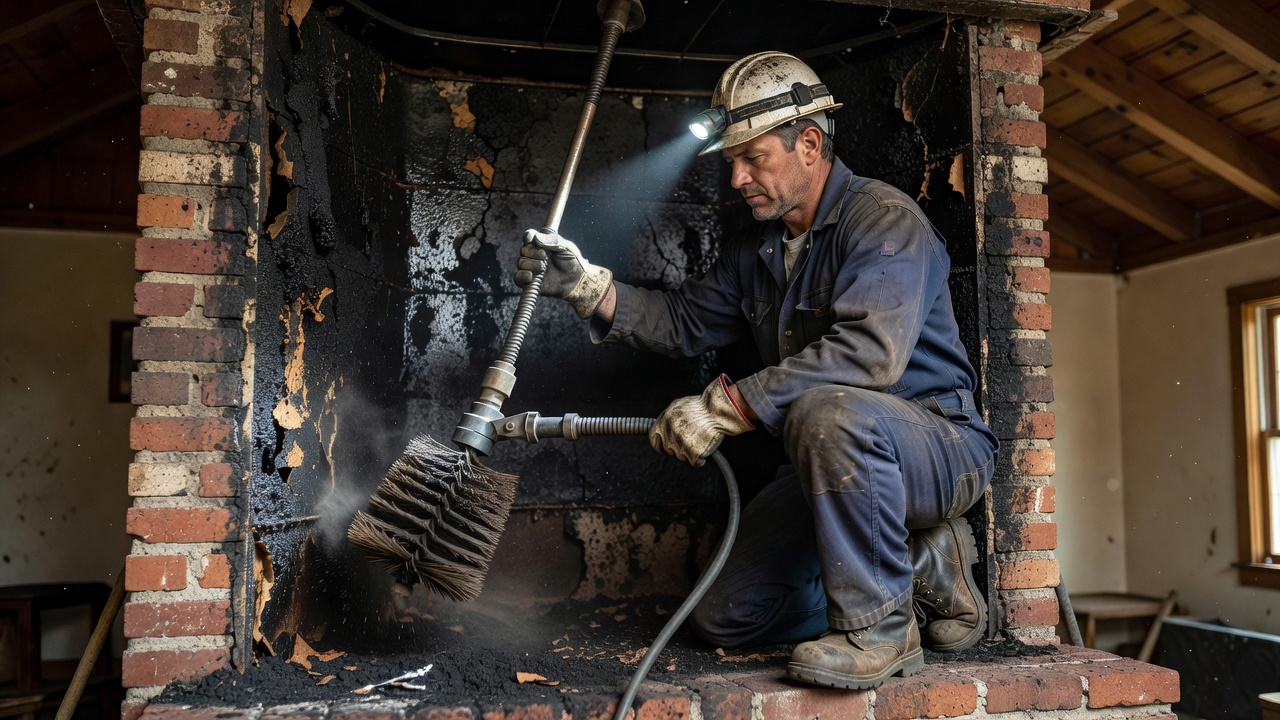
Straightforward Creosote Removal Long Island Chimney: 2026 Cost Guide for Valley Stream Residents
Last November, a homeowner on Rockaway Avenue in Valley Stream called us in a mild panic. She had just moved into a cape cod she’d bought in Lynbrook the previous spring, used the fireplace for the first time, and noticed a sharp, tarry smell that wouldn’t leave the living room. When our technician arrived, he found a flue so coated in stage-two creosote that he could scrape it off with a gloved finger. She had no idea what creosote removal on a Long Island chimney even costs she just knew she needed it handled before the holidays. That scenario plays out more than you’d think across Nassau County every fall.
If you’re in a similar spot, here’s what we think you deserve upfront: honest numbers, plain explanations of what drives the price up or down, and a clear sense of whether waiting another season is actually going to cost you more money. It will. Here’s why.
What Creosote Removal Actually Costs in 2026
A standard chimney sweep that includes creosote removal on a Long Island chimney typically runs between $175 and $350 for a single flue with a moderate buildup of first- or early second-degree creosote. That range covers the cleaning itself, the technician’s time, and basic debris disposal.
When buildup has advanced to heavy second-degree or third-degree creosote the glazed, tar-like deposits that bond to the flue liner costs rise substantially. Chemical treatments combined with mechanical removal can push a single-flue job to $400–$650. If the creosote has caused liner damage that requires relining, you’re looking at a separate project: according to industry cost data from Angi and HomeAdvisor (2024–2025), chimney relining in the northeastern United States ranges from $2,500 to $7,000 or more depending on flue length and liner material.
| Creosote Stage | Typical Cost Range | What’s Involved |
|---|---|---|
| Stage 1 (flaky, light) | $175 – $275 | Standard brush sweep, inspection |
| Stage 2 (crunchy, tar-like) | $275 – $450 | Rotary cleaning or chemical loosening |
| Stage 3 (glazed, hardened) | $400 – $650+ | Chemical treatment, multiple passes, possible liner eval |
| Relining (if liner is damaged) | $2,500 – $7,000+ | Stainless steel or cast-in-place liner installation |
What Moves the Price Up or Down
Six things consistently change what you’ll pay for creosote removal on a Long Island chimney. Understanding them will help you read any estimate you receive.
Severity of buildup. This is the biggest variable. A fireplace used a few times a season with seasoned wood requires far less labor than one used daily with green or softwood. The more porous and layered the creosote, the longer the job takes.
Flue height and access. Valley Stream and the surrounding areas — Lynbrook, Malverne, Rockville Centre — have a lot of older cape cods and colonials with taller or offset flue runs. More height means more labor and more equipment setup time.
Number of flues. A single-family home with both a fireplace flue and a furnace or boiler flue pays per flue. Most quotes are priced per flue, so always clarify.
Whether a Level 2 inspection is needed. The NFPA’s Standard 211 states that chimneys, fireplaces, and vents shall be inspected at least once a year for soundness, freedom from deposits, and correct clearances. If your home has changed fuel type, had a fire event, or the chimney hasn’t been inspected in years, a Level 2 inspection which includes a camera scan of the flue interior adds $100–$200 to the visit but can prevent a much larger bill later. We offer our chimney inspection service separately, but many homeowners pair it with cleaning.
Liner condition. If our technician identifies cracked or spalled liner sections during the sweep, those repairs are quoted separately. Learn more about our chimney repair options if you’re concerned about liner integrity before the season starts.
Time of year you book. This one matter more than most homeowners expect which brings us to the core of why timing is worth talking about here.
What’s Included in a Standard Cleaning vs. Add-Ons
A standard creosote removal appointment includes the sweep itself, a basic visual inspection from top and bottom, and cleanup of ash and debris at the firebox. It does not automatically include a camera inspection, chimney cap assessment, masonry spot repairs, or waterproofing treatment. Those are legitimate add-ons that may or may not be necessary ask your technician to explain what they found before agreeing to anything beyond the sweep.
The Cost of Waiting and Why Fall Booking Saves You Money
Every year, our schedule in September and October fills up with homeowners in Floral Park, Westbury, Garden City, and Valley Stream who tried to book in late November and couldn’t get an appointment before December. The ones who wait until mid-winter often find two things working against them: fewer available appointment windows and, more importantly, a fireplace that’s been running all season with uncleared creosote.
According to the U.S. Fire Administration, heating fires account for approximately 25 percent of all residential fires, and failure to clean chimneys is the leading contributing factor in home heating fires. That isn’t meant to alarm it’s meant to clarify that waiting isn’t a neutral choice. A chimney that runs another 30 or 40 fires before getting cleaned doesn’t just accumulate more creosote; it bakes that creosote into a harder, more expensive-to-remove stage.
The CSIA recommends that chimneys, fireplaces, and vents be inspected at least once a year and cleaned as needed. Booking in August or early September before peak demand typically means more scheduling flexibility and no emergency-rate upcharges. It also means that if something unexpected turns up, like a cracked liner in a Hempstead colonial or a deteriorated cap on a Merrick split-level, you have time to address it before the wood starts burning.
Third-degree creosote is worth mentioning specifically here. Even a thin layer of hardened, glazed creosote can ignite at temperatures as low as 451°F a threshold that a normal fire can easily reach. Waiting an extra season doesn’t save money. It compounds the cleaning cost and raises the risk of a flue fire that could damage the liner and turn a $300 job into a $5,000 one.
One Way to Avoid Overpaying
Get a written estimate that separates the cleaning cost from any repair or add-on quotes. A trustworthy chimney company whether you’re in Garden City Park, Baldwin, or right here in Valley Stream will quote the sweep first, then walk you through what else they found before charging for anything additional. If someone tries to bundle every service into a single number before they’ve even looked at your flue, that’s worth questioning.
Ready to Schedule Before the Rush?
Our team serves Valley Stream and the wider Nassau County area year-round, but fall appointments fill up fast. If you’ve used your fireplace this past season and haven’t had a professional creosote removal done on your Long Island chimney, now is the right time to get it on the calendar. Contact Garden City Chimney Service for a straightforward estimate no pressure, no bundled surprises. Just an honest assessment from technicians who know Long Island chimneys and will tell you exactly what they find.
Frequently Asked Questions About Creosote Removal on Long Island
How much does creosote removal cost for a Long Island chimney in 2026?
-
For most homes on Long Island including Valley Stream, Lynbrook, and surrounding Nassau County towns a standard creosote removal runs between $175 and $350 for a single flue with first- or early second-degree buildup. Heavier, glazed third-degree creosote requires more labor and chemical treatment, pushing costs to $400–$650 or more. If the flue liner has been damaged by creosote buildup or a chimney fire, relining is a separate project that typically ranges from $2,500 to $7,000 depending on the flue length and liner material.
What is the best time of year to schedule chimney creosote removal?
-
Late summer through early fall roughly August through early October is the best window for Long Island homeowners to book creosote removal. Scheduling is more flexible before peak heating season, there are no emergency upcharges, and if a repair is needed you have time to address it before winter. Waiting until November or December means tighter availability and, if your fireplace has been running uncleaned, potentially harder and more expensive creosote to remove.
Is creosote removal dangerous, and can I do it myself?
-
Stage one creosote the light, flaky kind can be partially managed with creosote-reducing chimney logs used as a maintenance supplement, but they are not a substitute for professional removal. Stage two and stage three creosote require rotary mechanical equipment and sometimes chemical treatments that are not safe or practical for a homeowner to apply without training. Beyond the chemical risk, working at height on a roof in Valley Stream or anywhere else on Long Island without proper fall protection is genuinely dangerous. A certified chimney sweep has the tools, training, and liability coverage to do the job safely and thoroughly.
Related from Garden City Chimney Service: What Every Buyer Misses · Critical Chimney Relining Long Island NY · Honest Chimney Inspection Long Island