
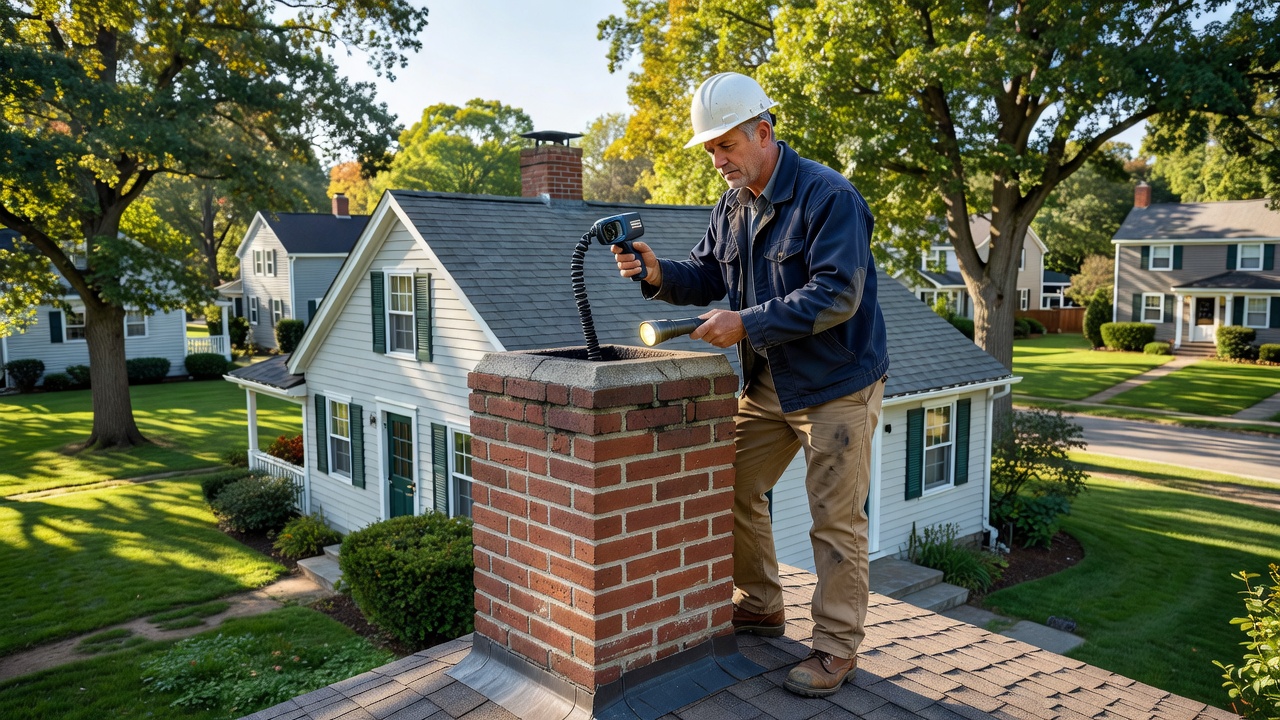
Honest Chimney Inspection Long Island: 2026 Cost Guide for Lynbrook Residents
Most homeowners assume a chimney inspection is a flat, predictable charge you call, someone comes out, they hand you a number. A homeowner on Hempstead Avenue in Lynbrook learned otherwise last winter when what started as a routine chimney inspection Long Island call turned into a conversation about a compromised liner, a cracked crown, and water damage that had been quietly building for three seasons. The inspection itself was straightforward and affordable. The repairs that might have been avoided with earlier action were not.
Cost surprises like that are almost always rooted in the same thing: homeowners not knowing what drives the price of a chimney inspection Long Island up or down before they pick up the phone. Here is a plain-spoken breakdown of how to approach this the right way.
Before You Start: Know What Type of Inspection You Actually Need
The National Fire Protection Association’s Standard 211 defines three levels of chimney inspection, and the level you need determines your cost more than almost any other factor. A Level 1 is a visual sweep of accessible areas standard for a chimney that has been regularly maintained and hasn’t changed fuel type or appliance. A Level 2 includes video scanning of the flue interior and is required any time you buy or sell a home, after a chimney fire, or after a major storm. A Level 3 involves opening up walls or structure and is comparatively rare.
Most Lynbrook homeowners with a wood-burning fireplace they use seasonally need a Level 1 or Level 2. If you are not sure which applies to your situation, that is the first question to ask when you call.
Step 1: Get a Clear Sense of the Going Rate Before You Call Anyone
In the Nassau County market right now, a Level 1 chimney inspection typically runs between $150 and $225. A Level 2 with camera inspection generally falls between $250 and $400, sometimes more if there are access complications. Those ranges align with national cost data showing chimney sweep and inspection services in the Northeast averaging $150 to $350 for standard visits, with scope-driven work pushing higher.
Prices in Lynbrook, Rockville Centre, and Baldwin tend to cluster near the middle of that range. You are not in a remote area, so travel fees rarely inflate your total. What does inflate it is scope — more on that in Step 3.
Step 2: Gather Basic Information About Your Chimney Before Scheduling
Before you call a chimney company, walk outside and take a look at your chimney cap, crown, and visible masonry. Note anything obviously wrong white staining on the brick, a missing or rusted cap, crumbling mortar. Then check inside: any staining around the firebox, a damper that sticks, or a smoky smell that lingers when the fireplace is not in use.
This takes ten minutes and it does two things. First, it helps you describe the situation accurately so the company can quote you appropriately. Second, it tells you whether you likely need only an inspection or whether repairs are probably coming. That distinction matters for your budget.
Step 3: Understand What Pushes the Price Higher
A few things consistently move a chimney inspection Long Island quote upward. Flue height is one — taller chimneys take longer to inspect and require more equipment. Multiple flues add time. Chimneys that have not been inspected in five or more years often require cleaning before the technician can get a clear view of the liner, which adds a sweep charge on top of the inspection fee. Heavy creosote buildup is common in older Lynbrook homes with original fireboxes that predate modern insert technology.
The CSIA notes that creosote, even a relatively thin layer of third-degree buildup, can ignite at temperatures as low as 451°F which is exactly why a technician will not skip cleaning if the flue is obstructed. It is not an upsell. It is a safety prerequisite.
Water damage is another cost driver. Long Island’s coastal climate puts real stress on chimney masonry. The freeze-thaw cycles, salt air off the South Shore, and humidity that Lynbrook and Freeport homeowners know well accelerate mortar joint deterioration faster than in inland areas. If your chimney shows spalling brick or damaged mortar, expect the inspection to flag repair needs that carry their own separate costs.
Step 4: Ask the Right Questions When You Get a Quote
When a company gives you a number, ask specifically what it includes. Does the inspection fee cover a written report? Is camera footage of the flue part of the Level 2 price, or billed separately? If cleaning is recommended on-site, what does that cost and is it itemized? A legitimate chimney company will answer all of this without hesitation. One that hedges or gives you vague answers about scope is worth a second call to another provider.
We are straightforward about this with every homeowner we talk to, whether they are in Lynbrook, New Hyde Park, Merrick, or anywhere else on Long Island.
Step 5: Time Your Inspection to Avoid Peak Season Pricing
October through December is the busiest stretch for chimney companies across Nassau and Suffolk County. Scheduling tightens, availability shrinks, and some companies charge a premium for urgent late-season slots. The CSIA recommends annual inspections and the smartest time to book in Lynbrook is late summer or early September, before the rush. You get better availability, the same quality of work, and your fireplace is confirmed safe before the first cold night arrives.
According to the U.S. Fire Administration, heating fires account for roughly 25% of all residential fires, and failure to clean chimneys is the leading contributing factor. That statistic makes the timing question less about convenience and more about not being caught unprepared when you first light a fire in November.
Step 6: Review the Written Report Carefully Before Authorizing Repairs
A thorough chimney inspection produces a written report that details the condition of each component crown, cap, flashing, liner, firebox, smoke chamber, and damper. Read it. Ask what is a safety issue versus a maintenance issue versus a cosmetic issue. Not everything flagged requires immediate action, and a good technician will tell you that honestly. A cracked crown may need prompt attention to stop water intrusion. Surface staining on older brick in a Hicksville or Westbury home might be cosmetic and low priority.
If repairs are recommended, ask for a separate itemized estimate so you know exactly what you are agreeing to. Our chimney repair options cover everything from minor mortar work to full relining, and we always explain what is driving the recommendation before any work begins.
Step 7: Keep Records for Your Home’s History
Save your inspection report. If you ever sell your Lynbrook home, a documented inspection history is a meaningful asset during due diligence. Many buyers in the Garden City, Mineola, and Valley Stream markets now specifically ask for chimney inspection records as part of their pre-close review. It is a small step that protects your investment.
Troubleshooting Tip: When the Inspector Finds Something Unexpected
If an inspection reveals a problem, you were not expecting a cracked liner, failed flashing, or animal intrusion do not panic and do not feel pressured to authorize same-day repairs unless there is a clear and immediate safety reason. A cracked terracotta liner segment is serious, but in most cases you have time to get a second opinion or review the repair scope carefully. Ask the technician to show you the camera footage or photographs that support the finding. Any company worth hiring will do that without hesitation.
If you are in Lynbrook or anywhere across Nassau County and want a straightforward chimney inspection Long Island homeowners can actually trust, reach out to our team at Garden City Chimney Service. We will walk you through what your chimney needs, what it costs, and why no pressure, no guesswork. Call us or use the contact form on our site to schedule an inspection or get a free estimate.
Frequently Asked Questions
How much does a chimney inspection cost on Long Island in 2026?
For most Lynbrook and Nassau County homeowners, a Level 1 visual inspection runs between $150 and $225. A Level 2 inspection with camera scanning of the flue typically costs $250 to $400. If a cleaning is needed before the inspection can be completed which is common when a chimney has not been serviced in several years that adds to the total. Always ask for an itemized quote so you know exactly what is covered.
How often should a chimney be inspected on Long Island?
The NFPA Standard 211 requires chimneys to be inspected at least once a year, and Long Island’s coastal climate makes that standard especially relevant here. Salt air, humidity, and freeze-thaw cycles accelerate masonry deterioration in Nassau and Suffolk County faster than in inland areas. Annual inspections catch small problems a failing mortar joint, a hairline crack in the liner before they become expensive repairs.
What is the difference between a chimney inspection and a chimney sweep?
A chimney sweep removes creosote, soot, and debris from the flue and firebox. A chimney inspection evaluates the structural and operational condition of your chimney system and produces a written report of findings. They are related but separate services. Many homeowners schedule both together, and in some cases a sweep is required before a clear inspection of the liner is possible. Ask your technician upfront whether both are recommended for your situation.
Related from Garden City Chimney Service: What Every Buyer Misses · About Contact Home – Everything You Need to Know About Garden City Chi · Honest Wood-Burning Fireplace Inspection Garden City