
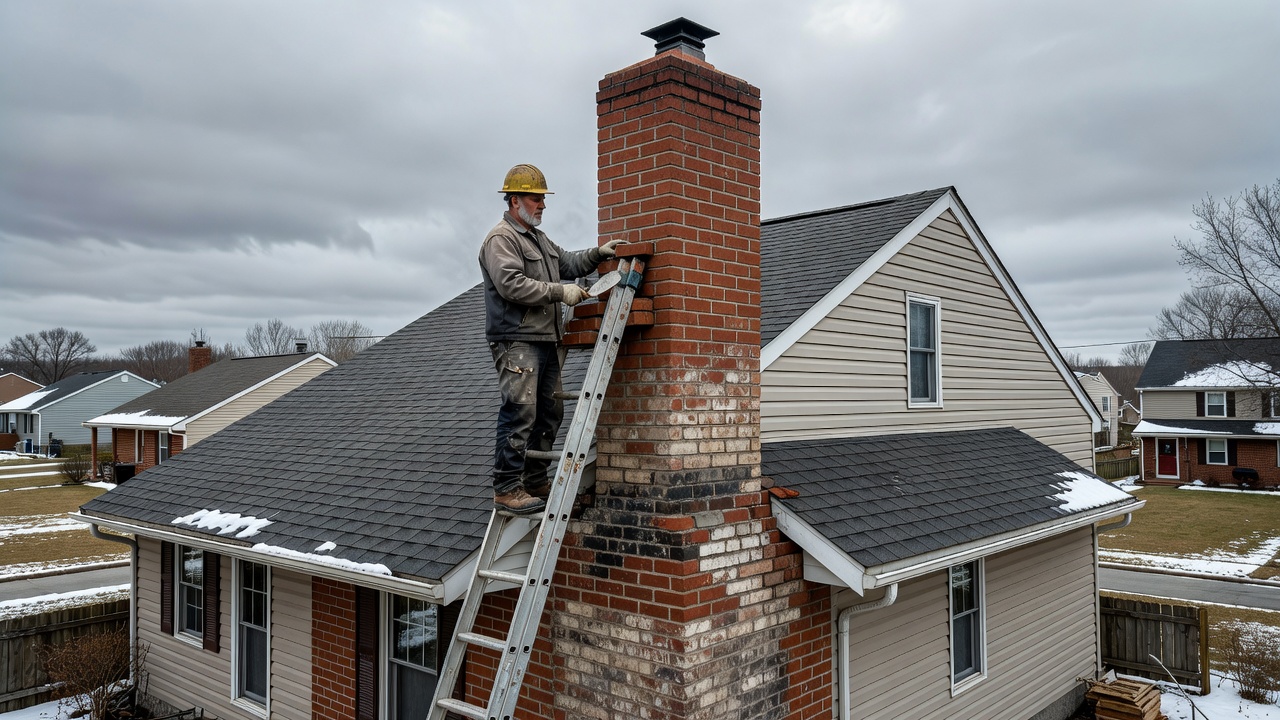
Smart Chimney Rebuilding Long Island: 2026 Guide for Plainview Residents
Last winter, a homeowner on Manetto Hill Road in Plainview called us after noticing that chunks of mortar were landing in the firebox every time the wind picked up. When we got out there, the chimney crown had cracked through, the top three courses of brick had started to separate, and the flashing had long since given up. It was a full rebuild situation not because the homeowner had ignored the chimney, but because he had no idea what to ask when he hired someone to look at it two years earlier. That story plays out every season across Nassau County, and we hear versions of it from Hicksville to Merrick to right here in Plainview.
Chimney rebuilding Long Island homeowners need to plan carefully, and the planning starts before you call anyone. The mistakes that cost people the most money happen in the earliest stages choosing the wrong contractor, misunderstanding what scope of work is actually needed, or skipping the permit step. Here is how to avoid those pitfalls.
Before You Start: Know What You Actually Have
Not every deteriorating chimney needs a full rebuild. A full rebuild means tearing down the masonry above the roofline sometimes lower and relaying every course of brick from scratch. Tuckpointing, crown repair, or flue relining are separate, less expensive services. Before you talk to any contractor, get a professional chimney inspection done first. The National Fire Protection Association’s Standard 211 requires that chimneys be inspected at least once a year for soundness, freedom from deposits, and correct clearances and that inspection report is the document you take to every contractor for a quote.
Without an independent inspection, you are relying entirely on whoever wants the job to tell you how big the job is. That is not a position you want to be in.
Step 1: Understand Nassau County Permit Requirements Before Work Begins
Chimney rebuilding in Plainview falls under Nassau County’s building code, and a structural rebuild above the roofline typically requires a permit. Skipping the permit is the single most common and most costly mistake we see. If the work is done without one and you sell the house, a home inspector will flag the unpermitted work. If there is a fire, your insurance company may deny the claim.
Ask any contractor upfront whether they will pull the permit. If they say it is not required for what they are doing, get that in writing and verify it with the Town of Oyster Bay Building Department yourself. Plainview falls under Oyster Bay’s jurisdiction, and their office can confirm what your specific job requires.
Step 2: Get Separate Bids and Read What They Actually Say
We recommend getting at least three written bids for chimney rebuilding Long Island projects. But more important than the number of bids is understanding what each one covers. Some bids quote only the masonry and leave out the flashing, the new crown, or the flue liner. When you get to the end of a job and the contractor says flashing is extra, you have no leverage.
Ask each contractor to specify: how many courses of brick are being replaced, what mortar mix they will use (Type S is the standard for above-grade exterior masonry in our climate), whether they are including a new poured or preformed crown, and whether the liner is being addressed. A chimney rebuild that leaves a compromised clay tile liner in place is a half-finished job.
Step 3: Verify That the Contractor Carries the Right Insurance
Rooftop masonry work is high-risk. Ask for a certificate of insurance showing general liability and workers’ compensation coverage. Call the insurance company listed on the certificate and confirm the policy is active. This takes five minutes and protects you from being liable if a worker is injured on your roof in Plainview or anywhere else on Long Island.
Also ask whether the contractor is CSIA-certified or employs certified sweeps. The Chimney Safety Institute of America recommends that chimney work be performed by qualified professionals who understand both the structural and venting requirements of the system a rebuild affects both.
Step 4: Plan for Long Island’s Specific Climate Conditions
This is where local knowledge actually matters. Long Island’s coastal climate with freeze-thaw cycles, salt air, and high humidity accelerates mortar joint deterioration and chimney masonry damage faster than inland regions, making annual inspections especially critical for Nassau and Suffolk County homeowners. That means the mortar mix, the brick selection, and the crown design all need to account for moisture movement. A contractor from outside the area may use materials or techniques that work fine in a drier climate but fail within a few winters here.
Specifically, ask what compressive strength mortar they are using and whether they are applying a breathable masonry waterproofing sealant after the rebuild. We apply a vapor-permeable sealant on every rebuild we complete from Freeport to Great Neck to Bellmore because it dramatically slows the re-entry of moisture into new mortar joints.
Step 5: Do Not Overlook the Flue Liner
A masonry rebuild without addressing the liner is like replacing the exterior walls of a house and leaving the plumbing broken. If your chimney is being rebuilt because of structural deterioration, the liner has almost certainly been compromised too. Stainless steel flexible liner systems are the current standard for most retrofit applications, and they come with manufacturer warranties. According to U.S. Fire Administration data, failure to maintain chimneys is the leading contributing factor in home heating fires a cracked or missing liner is a direct path to that outcome.
Ask to see photos of the inside of the flue before and after any work. If a contractor is not offering them, ask why. Our chimney inspection service includes a camera scan of the flue so both we and the homeowner can see exactly what is there before we price anything. Learn about our chimney repair options if you are unsure whether a full rebuild or a partial repair is the right call for your situation.
Step 6: Confirm the Warranty and Get It in Writing
Quality chimney rebuilding Long Island contractors will stand behind their masonry work for at least five years on labor. Materials like brick and liner components carry their own manufacturer warranties. If a contractor offers no written warranty or only a one-year guarantee on a full structural rebuild, that is worth questioning.
Get the full scope of work, the start and completion dates, the payment schedule, and the warranty terms in a signed contract before any work begins. Never pay more than a one-third deposit upfront for a job of this scale.
Step 7: Schedule a Post-Rebuild Inspection Before the First Fire
Once the work is done, give the mortar adequate cure time typically 28 days for full strength before using the fireplace. Then have an independent inspection done, or at minimum have the contractor do a final walk-through with you present. Check that the new crown slopes properly away from the flue opening, that the flashing is sealed at both the step and counter-flashing points, and that the damper opens and closes without restriction. If a chimney cap was not part of the original scope, consider our chimney cap installation service before that first fire of the season.
Troubleshooting Tip: When the New Mortar Cracks Within a Year
If you see hairline cracks in new mortar within the first heating season, the most common cause is either the wrong mortar mix or insufficient cure time before the chimney was used. A Type N mortar too soft for above-grade exterior work will crack under thermal cycling. Type S is the standard. If you see cracking, call the contractor back under warranty immediately and document everything with photos dated through your phone. Do not let the first winter pass without addressing it, because Plainview’s freeze-thaw cycle will turn a hairline crack into a structural problem by spring.
We work throughout Nassau County and regularly serve homeowners in Plainview, Westbury, New Hyde Park, Uniondale, Valley Stream, Rockville Centre, Mineola, and Floral Park. If your chimney is showing signs of deterioration staining, spalling brick, mortar gaps, or pieces landing in the firebox we are glad to come out, take a look, and give you an honest assessment with no pressure. Reach out to Garden City Chimney Service to schedule your inspection or get a free estimate on a rebuild.
Frequently Asked Questions About Chimney Rebuilding on Long Island
How much does chimney rebuilding cost on Long Island in 2026?
A full above-the-roofline chimney rebuild in Nassau County typically ranges from $3,500 to $8,500 depending on chimney height, the number of brick courses being replaced, and whether the flue liner is being replaced at the same time. Flue relining alone can run $2,500 to $7,000 depending on flue length and liner material. Get itemized written bids so you can compare what each contractor is actually pricing.
Do I need a permit for chimney rebuilding in Plainview, NY?
In most cases, yes. Plainview falls under the Town of Oyster Bay’s jurisdiction, and structural masonry work above the roofline typically requires a building permit. Your contractor should be pulling the permit as part of the job. If they say it is not required, verify that directly with Oyster Bay’s Building Department before any work begins.
How long does a chimney rebuild take to complete?
Most above-roofline chimney rebuilds take one to three days of active labor, depending on the size and complexity of the chimney. Add in lead time for scheduling, permit approval, material delivery, and the 28-day mortar cure period before the chimney can be safely used, and you are realistically looking at five to eight weeks from contract signing to first fire. Plan accordingly if you want the fireplace ready for the heating season.
Related from Garden City Chimney Service: About Contact Home – Everything You Need to Know About Garden City Chi · What Every Buyer Misses · Honest Chimney Inspection Long Island