
Published November 5, 2026
Chimney Warning Signs Babylon Homeowners Should Never Ignore
Chimney problems often develop gradually. A fireplace may look normal from the living room while creosote builds up inside the flue, moisture damages the masonry, or a blockage interferes with proper ventilation.
Recognizing the warning signs can help Babylon homeowners arrange the right service before a minor maintenance issue becomes a more serious repair. Some conditions require prompt attention, while others can be addressed during a scheduled inspection.
The National Fire Protection Association’s NFPA 211 standard recommends inspecting chimneys, fireplaces, and vents at least once a year. Cleaning and repairs should be performed when necessary. Here are eight warning signs that deserve attention.
1. White Staining on the Outside of Your Chimney
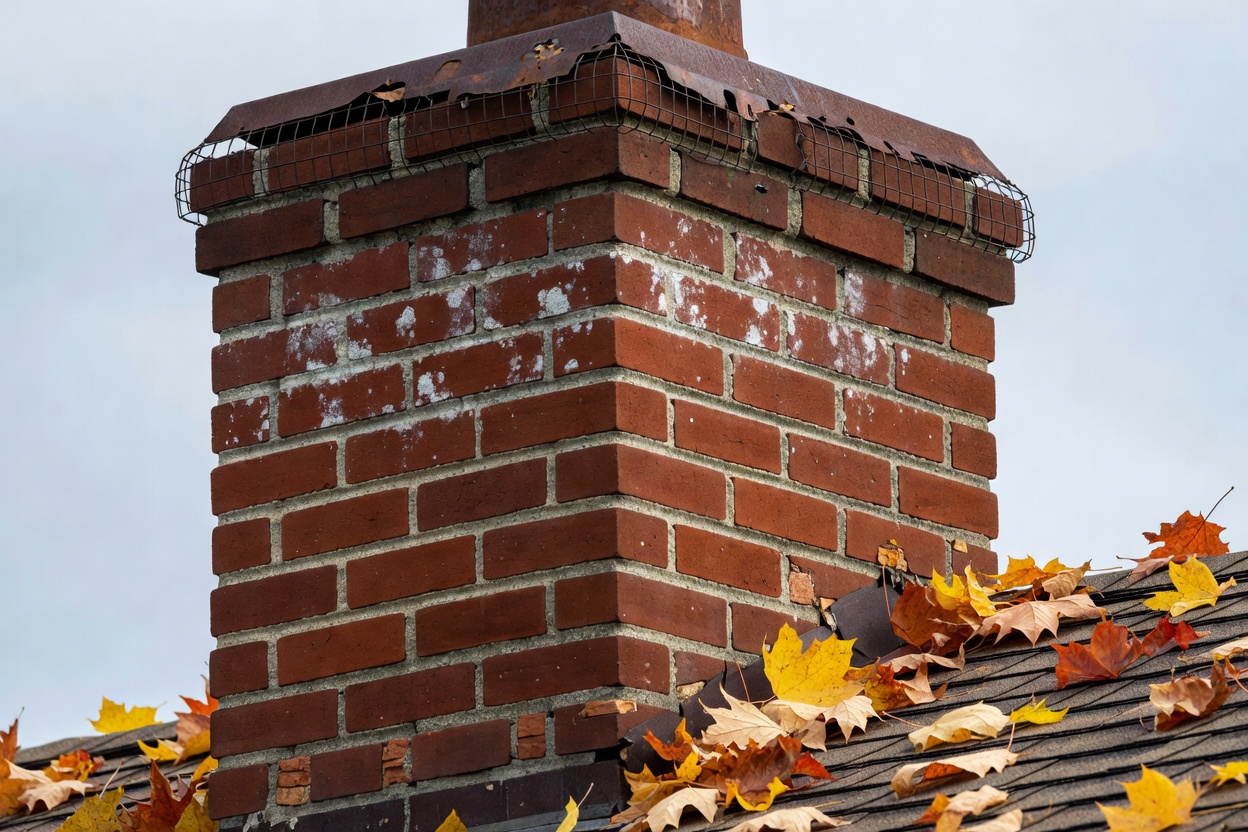
White powdery or streaky deposits on chimney bricks are commonly called efflorescence. They form when moisture moves through masonry and carries dissolved minerals to the surface.
Efflorescence can indicate water movement through the chimney, but it does not automatically mean the structure is failing. Moisture may enter through deteriorated mortar joints, a cracked crown, damaged flashing, or other openings.
Have the chimney evaluated if the staining continues to return or appears alongside cracked mortar, loose bricks, or water inside the fireplace.
What to do: Schedule an inspection. If the masonry is also crumbling or bricks are becoming loose, arrange a prompt repair assessment.
2. Flaking or Spalling Brick on the Chimney Exterior
Spalling occurs when the face of a brick flakes, peels, or breaks away. Moisture penetration and repeated freezing and thawing can contribute to this type of deterioration.
Damaged bricks may also indicate problems with the surrounding mortar or water protection. If the deterioration spreads, sections of the chimney can become unstable and may require masonry repairs or partial rebuilding.
Do not assume that applying waterproofing sealant will solve the problem. The damaged bricks and the source of moisture should be evaluated first.
What to do: Contact a chimney repair professional if you see multiple damaged bricks, loose masonry, or pieces falling from the chimney.
3. Heavy Creosote Deposits Inside the Fireplace or Flue
Creosote forms when wood smoke cools and condenses inside the chimney. It can appear as loose soot, flaky deposits, sticky material, or a hard, shiny glazed coating.
Creosote is combustible. Significant deposits increase the risk of a chimney fire, particularly when the fireplace is used regularly without appropriate cleaning.
A flashlight inspection from the fireplace opening may reveal some deposits, but it cannot establish the condition of the entire flue. The upper sections may contain buildup that cannot be seen from below.
The Chimney Safety Institute of America recommends cleaning when soot and creosote deposits approach or exceed 1/4 inch. Glazed deposits exceeding 1/8 inch should also be removed. The appropriate cleaning method depends on the type and condition of the deposits.
What to do: Arrange professional inspection and cleaning when deposits are visible or the chimney is overdue for maintenance. Avoid using the fireplace if heavy glazed creosote is suspected until it has been evaluated.
4. Smoke Backing Up Into the Room
Smoke should travel through the chimney and exit outside. If it repeatedly enters the living space, something may be interfering with the fireplace’s draft.
Possible causes include:
A blocked flue or chimney obstruction
Creosote deposits restricting airflow
A closed or malfunctioning damper
Negative air pressure inside the home
Problems with the fireplace or chimney design
A cold flue or temporary airflow conditions can sometimes cause brief smoke spillage when a fire is first started. However, repeated or persistent smoke entering the room should not be treated as normal.
Smoke can contain carbon monoxide, which is colorless and odorless. If a carbon monoxide alarm sounds, leave the home and call emergency services from outside.
What to do: Stop using the fireplace until persistent smoke spillage has been evaluated. Do not rely on opening a window as a permanent solution.
5. Cracks or Visible Gaps Inside the Firebox
The firebox is designed to contain heat and protect the surrounding structure. Cracked firebrick, missing refractory mortar, or damaged joints can affect that protection.
Some surface cracks may be cosmetic, but deeper cracks, missing sections, or visible gaps deserve closer attention. Damage may allow excessive heat to reach materials that should remain protected.
If you notice unusual openings around the firebox walls, throat, or smoke chamber, do not assume they are harmless. A technician can determine whether the damage affects the fireplace’s safe operation.
What to do: Arrange a professional assessment. Avoid using the fireplace if firebrick or refractory material is missing or significantly damaged.
6. Rust on the Damper or Firebox Floor
Rust on the damper plate, fireplace floor, or other metal components may indicate that moisture is entering the chimney system.
Possible sources include a damaged chimney cap, cracked crown, deteriorated flashing, or water entering through the flue. Rust can also develop as metal components age and experience repeated moisture exposure.
Light surface rust does not automatically mean the chimney needs major repairs. However, heavy corrosion, pitting, or a damper that no longer operates correctly should be evaluated.
What to do: Have a technician inspect the damper and surrounding chimney components. If the damper cannot open or close properly, avoid using the fireplace until the issue is assessed.
7. A Persistent Smoky or Musty Odor When the Fireplace Is Not in Use
A campfire-like, smoky, or musty smell may become noticeable when the fireplace has not been used for several months.
Possible causes include creosote deposits, moisture, debris, animal activity, or airflow changes inside the chimney. Warm and humid weather can make some chimney odors more noticeable.
An odor alone does not confirm heavy creosote buildup or a damaged liner. A professional inspection can help identify the source and determine whether cleaning or another repair is necessary.
What to do: Schedule an inspection and cleaning assessment, particularly before using the fireplace again for the heating season.
8. A Missing, Loose, or Damaged Chimney Cap
A chimney cap helps keep rain, animals, leaves, and other debris out of the flue. If the cap is missing or damaged, the chimney may be more vulnerable to moisture and obstructions.
Look for visible signs such as a tilted cover, missing mesh, rusted metal, or a cap that appears to have come loose. A ground-level view cannot confirm that the fasteners are secure or that the screen is clear.
A blocked or damaged cap can contribute to airflow problems. Animal nesting material inside the flue can also create an obstruction and a potential fire hazard.
What to do: Have the cap and chimney top inspected. Do not climb onto the roof to examine or replace it yourself.
What These Warning Signs Have in Common
Many chimney problems involve moisture, combustible deposits, damaged materials, or restricted airflow. These conditions can develop without being obvious from inside the home.
The U.S. Fire Administration identifies heating equipment as one source of residential building fires, while its 2024 estimates show that heating accounted for 7.9% of residential building fires. This is not a chimney-specific statistic, but it reinforces the importance of maintaining heating systems and addressing safety concerns. The NFPA also reports that fireplace and chimney fires account for a portion of heating-equipment fire incidents and can cause substantial property damage.
Annual inspections help identify conditions that homeowners may not be able to see. Depending on the chimney’s history and condition, a Level 1, Level 2, or Level 3 inspection may be appropriate. A technician should explain why a particular inspection level is recommended.
Schedule Chimney Services in Babylon, NY
If you notice cracked masonry, heavy creosote, smoke entering the room, rusted components, or a damaged chimney cap, do not ignore the warning signs. An inspection can help determine whether your fireplace needs cleaning, maintenance, or repairs.
Garden City Chimney Service is listed in this draft as serving Babylon and surrounding South Shore communities. Contact the company to confirm its current service area, discuss the condition of your chimney, and request an inspection or estimate.
Contact Garden City Chimney Service to ask about chimney inspection, cleaning, and repair services in Babylon, NY.
Frequently Asked Questions About Chimney Services in Babylon
How often should Babylon homeowners schedule a chimney inspection?
The NFPA and CSIA recommend inspecting chimneys, fireplaces, and vents at least once a year. Cleaning and repairs should be performed as necessary.
The amount of cleaning required depends on fireplace use, fuel type, appliance design, and the deposits found during inspection. Annual inspection does not automatically mean every chimney needs annual sweeping.
What does a chimney inspection in Babylon typically cost?
Inspection prices vary depending on the inspection level, chimney configuration, accessibility, and whether additional services are needed.
A Level 1 inspection generally costs less than a Level 2 inspection, which includes a more extensive examination and video scanning of the flue. Cleaning and repairs may be quoted separately.
Ask for a written estimate that explains what the inspection includes and whether cleaning, camera scanning, or photographs carry additional charges.
Can I use my fireplace while waiting for a chimney repair appointment?
That depends on the condition of the chimney and the specific problem identified.
If there is significant creosote buildup, a suspected chimney fire, a damaged liner, major firebox deterioration, or an obstruction affecting ventilation, avoid using the fireplace until a qualified professional has assessed it.
For less serious conditions, ask the technician whether the fireplace can remain in use. If you are unsure whether it is safe, leave it unlit until you receive professional guidance.
Serving your area: For related services in nearby communities, see Roosevelt Chimney and Lawrence Chimney.
Related from Garden City Chimney Service: About Contact Home – Everything You Need to Know About Garden City Chi · Don’t Wait for Smoke · Chimney Sweep in Garden City, NY — Clear the Creosote Before It Costs